Introduction
The eruption of generative artificial intelligence upsets the world of image. In seconds and from a simple textual description, tools like Midjourney, DALL·E or Adobe Firefly can create amazing realism visuals. In 2022-2023, these technologies gained in quality at the point of sometimes make it difficult to distinguish between an image generated by AI and a real photograph . Faced with this revolution, the traditional photography community questions: existential threat to photographers or new palette of creative tools? In this long format article, we will explore The impact of the generative AI on photography with an international perspective, by crossing the points of view of professional photographers, artists, AI experts, creative agencies and clients. We will analyse concrete and recent examples (innovative projects, commercial uses, polemics), as well as the implications for the profession of photographer (skills required, economic model, public perception). We will highlight the fears and opportunities that emerge, and let us objectively compare the AI and human photography. Finally, we will open on hybrid practices combining AI and photo, before concluding with the view of ChatGPT on the future of photography in the AI era.
In summary:
The rise of general AI in visual photography
In the space of two years, the generative AI has moved from laboratory experiments to the general public tool that upsets visual creation. 2023 marked a widespread adoption of AI in the image, with spectacular advances in photorealism . Latest generation models like DALL-E 3, Midjourney V5/V6 or Google Imagen 2 now produce images of such quality that it sometimes becomes difficult to distinguish an AI creation from a traditional photo . A striking example was the viral image of Pope Francis in a white robe at the end of March 2023: this fictional photo generated via Midjourney deceived many Internet users who took it for a true paparazzi cliché. Photorealism is no longer exclusive to cameras.
In parallel, access to these generators was widely democratised. While it took an invitation to test DALL·E at the beginning, mobile applications and easy-to-use web services are now available to create images by AI. Major players in the sector have embraced the trend: Adobe launched Firefly in 2023, an image AI embedded directly in Photoshop , while image banks Getty Images and Shutterstock integrated text tools->image in their platforms. In other words, the generative AI became inevitable in the contemporary visual ecosystem.
The figures show this global enthusiasm. For example, the Midjourney community, accessible via Discord, reached 14.5 million members in 2023 . On Google, the term "Midjourney" has even become more popular than "Stable Diffusion" or "DALL·E", indicating the popularity of this tool among the general public. This explosion of interest is explained as much by the curiosity of the creatives as by the mediatization of the prowess (and slippings) of the AI.
More and more sectors are experimenting with these general AIs for visual production. In advertising and e-commerce, they offer the promise of original visuals without going through expensive shooting. Companies like Amazon or Levi to present their products in a new light. In fashion photography, Vogue Italia or Glamour (Bulgaria edition) produced editorials in 2023 combining real shots and sets generated by IA . This unprecedented collaboration between photographers and IA has produced striking images, although the reception of the public and professionals has sometimes been mixed.
Finally, the AI invited itself to photography contest, giving rise to definitional debates. The case of the German photographer Boris Eldagsen made a big noise: his work generated by IA won the first prize in a prestigious competition (Sony World Photography Awards 2023), before he revealed the deception. Eldagsen refused the prize, claiming that « IA is not photography. So I can't accept this prize. » . This « experience » highlighted the legal and conceptual vacuum around these images of a new genre, pushing organizers to consider separate categories for the AI. In short, the year 2023 anchored the generative AI at the heart of visual creation while posing the first major ethical and identity issues for photography.
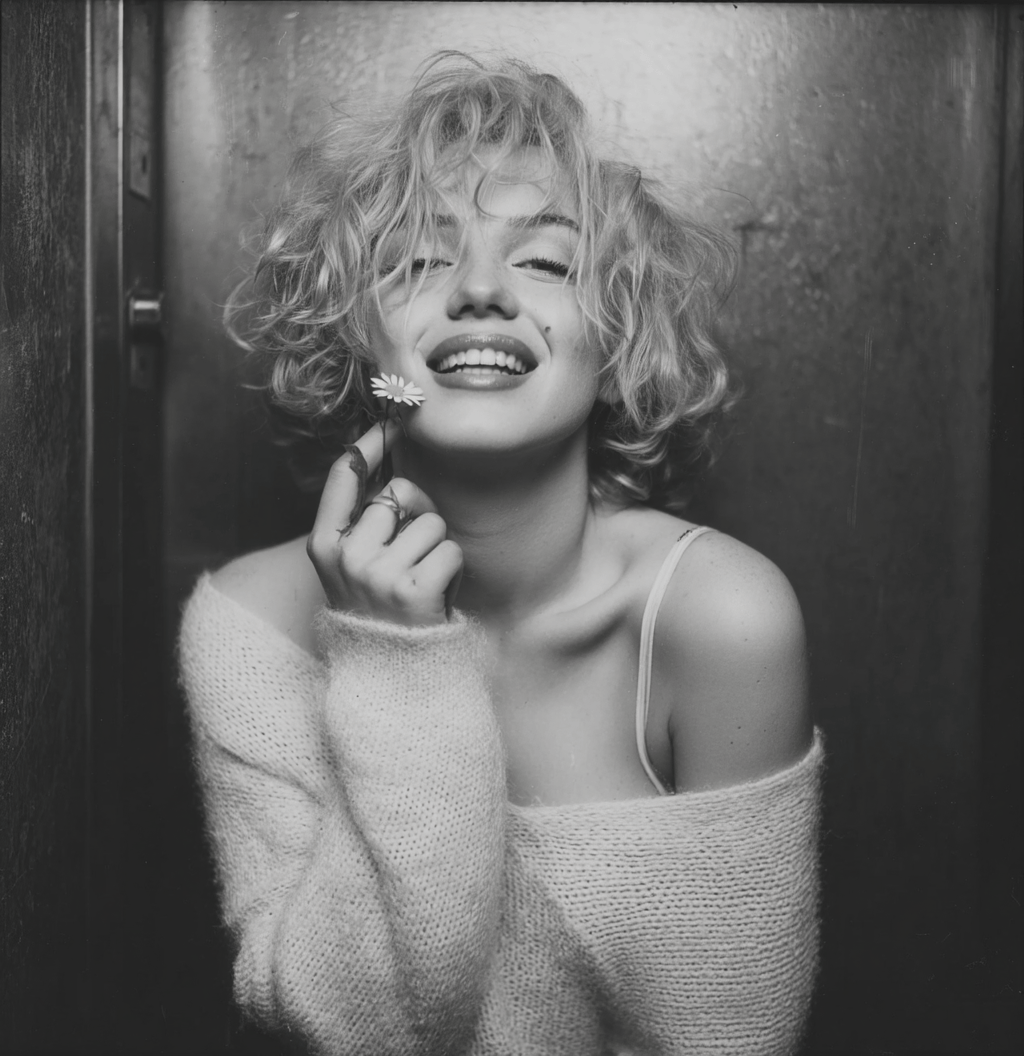
Photographers facing AI: fears and controversies
The emergence of generative AI has led to strong concerns of many professional photographers. The idea that an algorithm can produce in seconds the equivalent of a photo long worked in the studio or patiently captured in the field is disturbing. Some see it as a direct threat to their profession. « Does this application make photographers superfluous? », he asked a specialized blog, recalling that when photography appeared in the 19th century, the painters were afraid – without painting disappearing. The comparison is repeated today: did photography in turn find stronger than it did?
The first fear, very concrete, concerns Employment and income Photographers. For some types of images, clients might be tempted to do without a photographer and directly generate the desired illustration via an AI. PetaPixel and IA has already started to harm photographers, because « Some images are now much cheaper and faster to produce artificially than by engaging a human in flesh and bone » . In regions where budgets are tight, the impact is felt: « In Latin America, for example, advertising and editorial photographers are becoming less and less popular with brands, and they are gradually losing ground, work and income. » . This shocking phrase from an agency report Circus Grey for Nikon Peru summarizes an anguish shared worldwide. When Nikon (a camera manufacturer) launched an advertising campaign in 2023 to promote "Natural Intelligence", the message was clear: « This obsession with artificiality makes us forget that our world is filled with amazing natural places that are often stranger than fiction. » . In other words, let's not let AI make us neglect the beauty of the realOr those who capture it.
Beyond the fear of losing contracts, photographers raise important ethical and legal issues. The image AIs are dragged on billions of photos found online, often without the consent of the authors. The professional organisations are alarmed at this looting of works: in France, Union of Professional Photographers (UPP) published in 2023 a communiqué calling for the legal regulation of the use of general AI in order toadapt the regulations on the consent and remuneration of authors whose works are used to drive systems . In the current state, an artist photographer can see his style « Learned » and imitated by an AI without touching a cent, while the company providing the IA model, it, markets lucrative subscriptions. This imbalance feeds a feeling of injustice and infringement of copyright. Besides, several legal proceedings have emerged: in the United States, Getty Images sued Stability AI (creator of Stable Diffusion) for illegal use of its catalogue of protected images. These ongoing legal battles illustrate the need to clarify what is permitted or not, both for the protection of photographers and for the protection of the creators of AI.
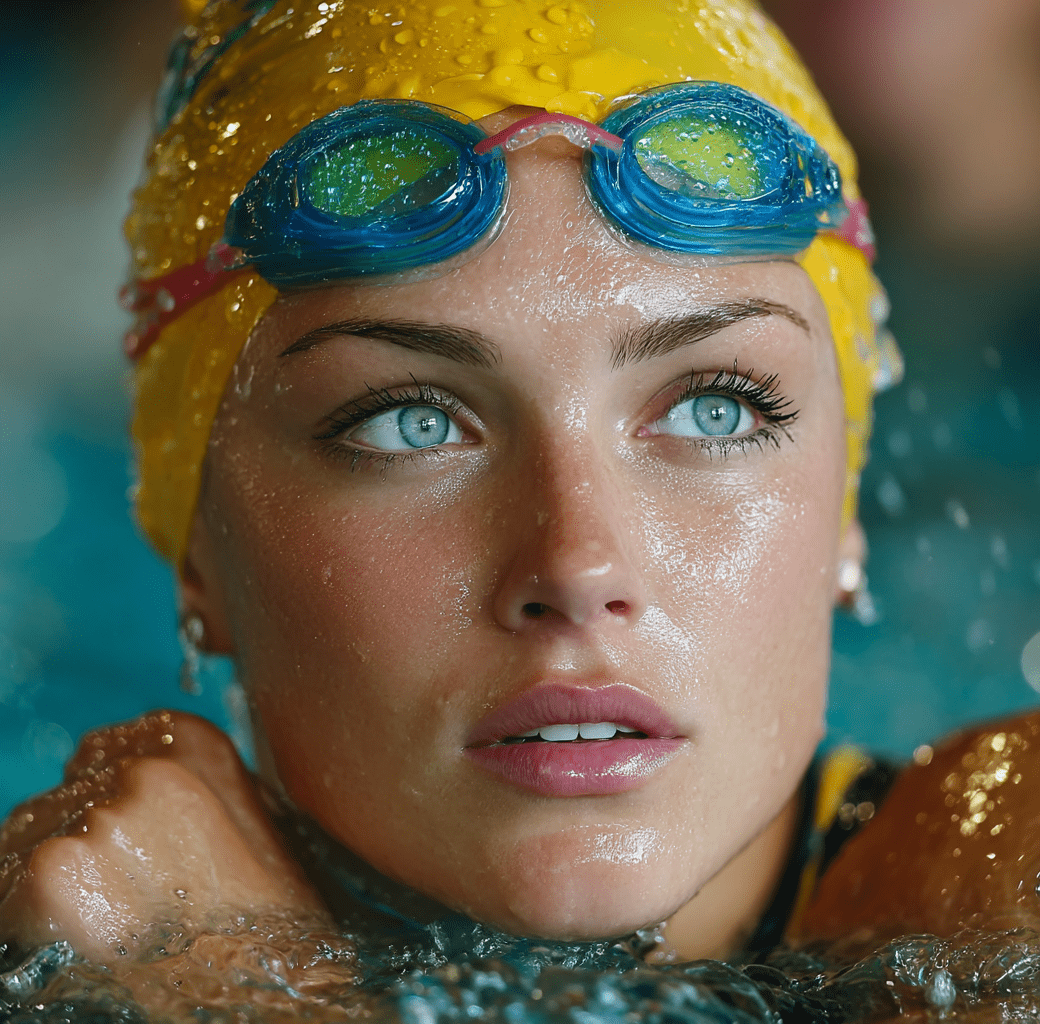
At the same time,even authenticity of images becomes a subject of controversy. If anyone can generate fake pictures that are more real than nature, how can they trust photos circulating online or in the media? Hyperrealistic photomontages created by IA have already caused ad hoc misinformation (e.g. fake images of news shared on social networks). The photography contests, we saw, were taken short by IA works pretending to be photographs. This leads to confusion about the definition: What is a photograph in the AI era? Boris Eldagsen, by his blast of brightness, precisely wanted « open the dialogue on what we want to consider as photography and what we will not accept », questioning whether the « photography umbrella » had to expand to include IA images or not. Most traditional photographers lean for a clear demarcation: an image 100% generated by IA should not be assimilated to photography, which, by essence, implies the capture of a reality at a T-minute (should it be staged).
Finally, some recent polemics highlighted the limits and dangers of AI in the image. The example of Uber Eats made social networks react a lot at the end of 2023: the delivery platform was surprised to replace the missing pictures of dishes with illustrations generated automatically... with grotesque results. For a pizzeria menu in New York, the AI took the word "pie" at the foot of the letter and displayed the photo of a sweet pie, where it was a pizza half BBQ, half Buffalo 🥧🤦♂️ . She even invented a false brand of non-existent sauce on the image, revealing her inability to faithfully represent the real. This false not The Uber Eats shows that in the state, delegating the photograph of products to an AI without human control can affect the quality and confidence of customers. In advertising, the denim brand Levis suffered a return of flame after announcing that she would test IA generated mannequins for « improving diversity » presentation of his clothes. The public criticized this choice as an easy solution instead of engaging real models of different origins. Levis had to make it clear that these avatars would only be a supplement and « will not completely replace humans », the objective being to show more sizes, skin colors and different ages in addition to classic shootings . Here again, experience underlines the importance of perception: using AI without transparency or without respecting the expected authenticity can tain the image of a brand or project.
In short, the main fear of photographers In the face of the generative AI is to see their know-how and livelihood marginalized by technology capable of imitating reality at lower cost. These fears are accompanied by ethical debates about respect for original works and the very notion of photographic truth. However, alongside legitimate concerns, voices arise to explore the opportunities and developments that the AI could bring to the trade. Rather than resisting frontally, some choose to adapt photographic art to this new tool, as we will see.
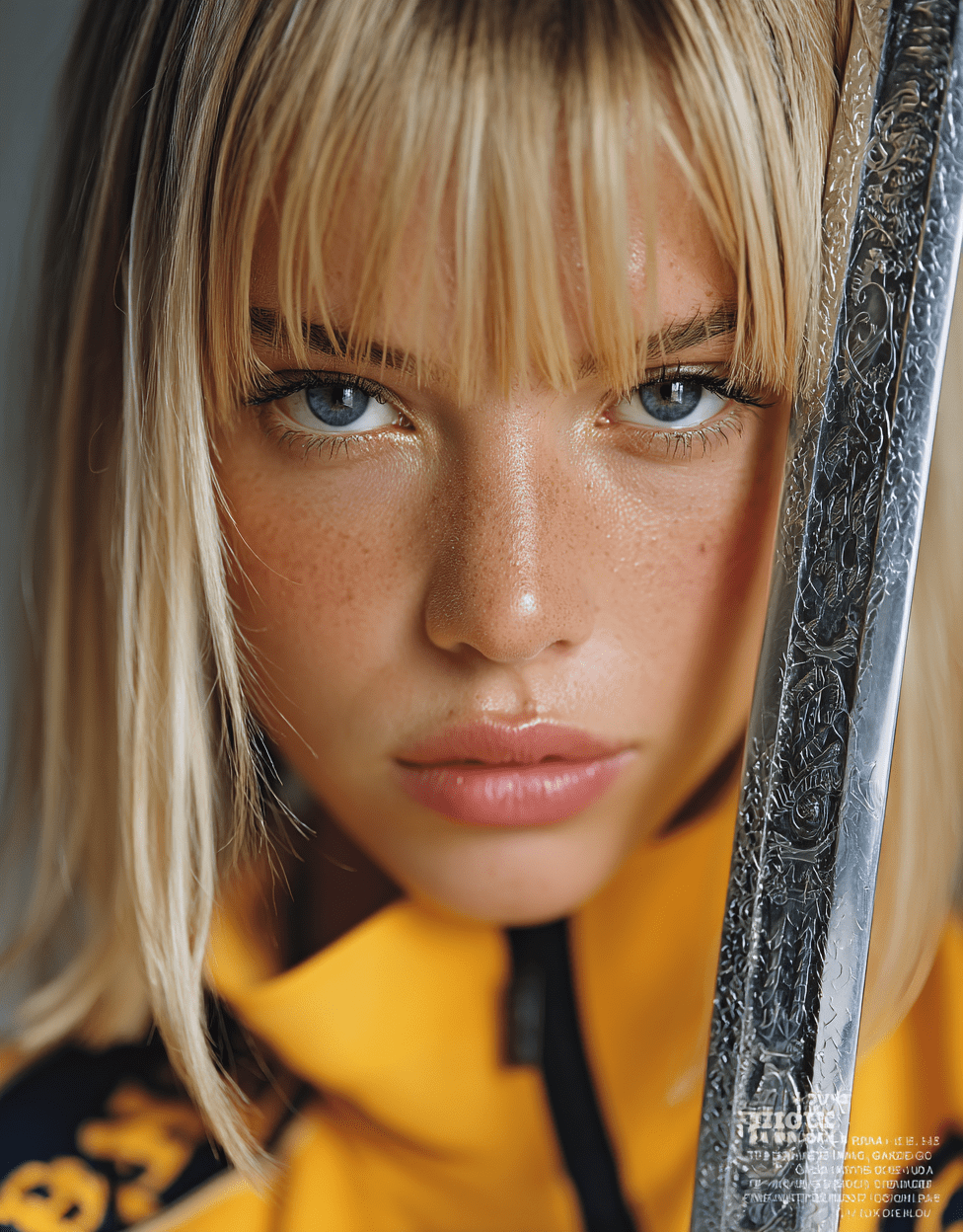
Opportunities and developments for photographers in the AI era
Despite concerns, the general AI also offers Unpublished outlook to the creators of images. For many photographers and visual artists, these tools are seen not as replacements, but as a means of new creative allies. By automating certain tasks and expanding the scope of possible tasks, the AI can free up time and stimulate inventiveness.
First, AI is becoming increasingly integrated into photographic workflow. The example of Adobe Firefly is the illustration: built directly into Photoshop, this generator allows photographers to create or extend a background, add visual elements or remove unwanted objects intuitively. This advanced editing and photo editing automation saves valuable time when making composite images or advertising visuals . Instead of spending hours manually getting a realistic montage, the photographer can generate several variants via the AI, then refine the best result. One can observe a shift in the role: the photographer sometimes becomes artistic directororchestrating AI as a tool to realize his vision. His skills evolve – less raw technique, more "prompting" (specific writing of instructions for AI) and creative curation. This hybridization of know-how is already taking place in other fields (e.g. illustrators who use AIs for sketches), and photography follows the same path for those who can take advantage of it.
Second, the general AI can help photographers to pushing the limits of their imagination. It allows you to instantly visualize concepts that would be difficult or costly to achieve in reality. Some photographers use it as a pre-production tool: they generate images to test ideas of framing, decor or lighting before a real shooting. Others are used to create original art works by combining photo and AI. In 2023, Vogue Italy proposed a bold number where the top model Bella Hadid poses in surreal sets designed by the AI. The photographer Carlijn Jacobs first made portraits of the star in the studio, then, with the help of a « AI artist », generated imaginary backgrounds via DALL-E. The creative vision had to be translated into words for "advising the machine", an experimental approach marked by frustrating moments but also surprises According to Jacobs. In the end, the result is a fascinating mix of human creativity and artificial imaging opening up new aesthetic perspectives. This type of co-creation shows that the AI can be integrated into the photographic process as a artistic tool This will be achieved through additional time and method. The photographer remains at the center of the process, it is his eye that guides the machine to achieve the desired rendering.
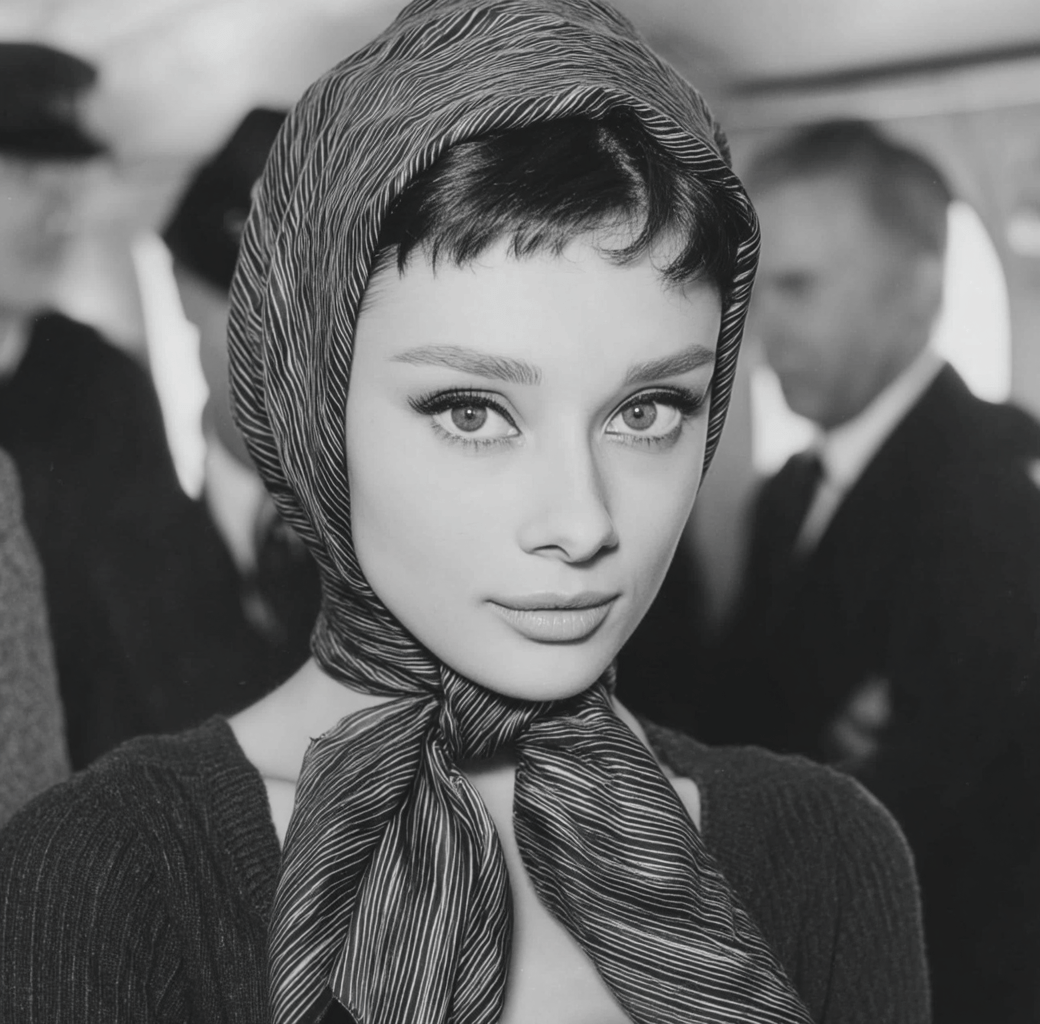
From a perspective business model, the general AI could also be transformed into an asset by knowledgeable professionals. Rather than competing with generic images produced by AIs, a photographer may choose to offer services including AI itself. For example, a creative agency can sell to its clients "hybrid" visuals combining real shots and AI enhancements to achieve otherwise impossible effects. We already see studios starting to specialize in the « rapid mapping » – creation of images via prompt – in addition to classical photography, in order to meet specific demands (a fantastic universe, a product staged in a dream setting, etc.). Tomorrow's photographer could be as much behind the lens as on the keyboard to refine an AI request to satisfy his client. Its added value will lie in its ability to tell a coherent visual history, to guarantee the quality and authenticity of the rendering, whether or not there is use of AI.
In addition, the integration of AI leads to the development of new skills. We talk a lot about « rapid engineering », i.e. the art of formulating the right sentence to obtain the desired image AI. This skill, still rare, can become a competitive advantage for a photographer who controls it early. Similarly, understanding the strengths and weaknesses of different models (Midjourney excels in X-style, DALL)·E in Y, etc.) will allow you to choose the right tool at the right time. It is also possible to imagine that photographers team up with developers or experts in AI to create custom models from their own portfolio, in order to generate images in their own portfolio. their unique style. This would be a way for the photographer to scaling his artistic vision without diluting it: to train an AI on her works to produce variants that carry her recognizable "patte". Of course, it raises issues of ownership and ethics (lending its style to a machine), but some will see it as an opportunity for wider dissemination of their art.
Finally, it should be noted that the public and customers They also begin to refine their gaze on IA images. Part of the public is increasingly valuedauthenticity and human know-how behind an image. Thus, knowing that a photograph was made No IA rigging could become an argument of quality, as well as handcraft. We saw the emergence in 2023 of labels or hashtags of the type #NoAI on the social networks of artists, to claim a 100% human creation. On the other hand, other customers take full advantage of AI and see it as a guarantee of modernity and efficiency. They could ask that an advertising campaign use AI visuals to highlight its innovative aspect. The photographer must therefore deal with these varied expectations. By expanding its palette (mastering the classic photo, the advanced retouch, and why not the IA generation), it will be able to better adapt to demands and maintain market relevance. As one microstock expert sums up: « The generated AI- is there to stay, you have to adapt or die! » . Without going to this end, we understand that an evolution of the profession is inevitable. But rather than the disappearance of the photographer, it is a transformation of role which draws itself: less technical performer, more author-creator accompanied by the AI.
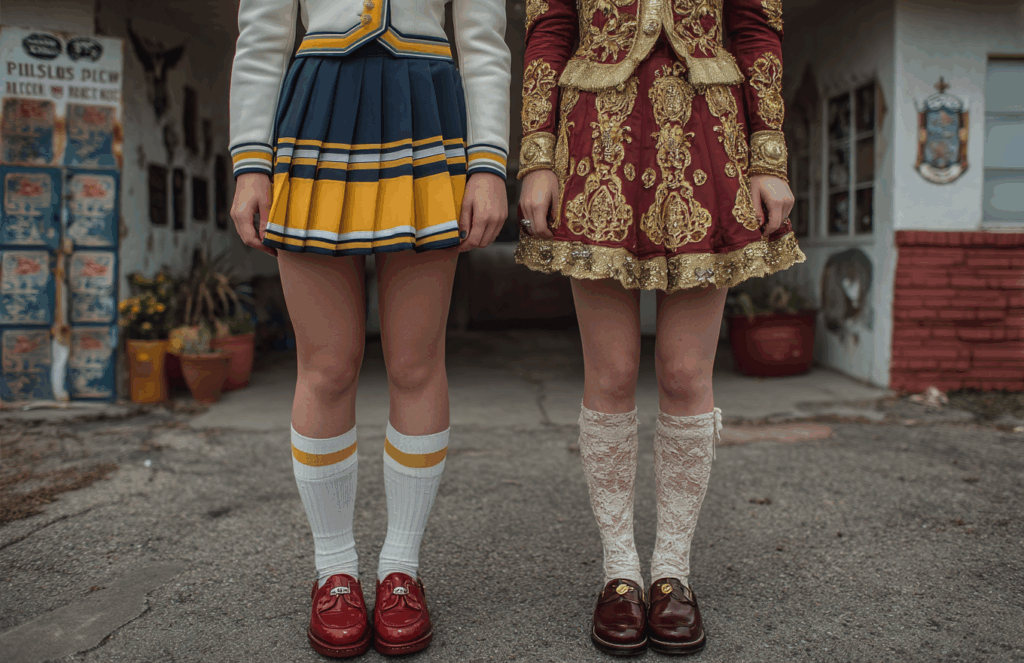
Objective comparison: IA general vs Traditional photography
It is tempting to oppose frontally AI and human photography. In reality, each has its strengths and weaknesses, and their relevance depends on the context of use. Here's a comparison IA vs photograph on key points:
- Creativity and imagination : The generative AIA can produce images of pure fantasy, mixing elements without any constraints of reality (e.g. imaginary landscape on Marsa fantastic animal, etc.). It offers a infinite visual diversity from simple words, which stimulates artistic innovation. On the other hand, she relies on what she has been taught:« Imagine » remixing existing references. The human photographer, on the other hand, creates inspired by the real and his experience, but can also imagine original stagings. His creativity lies in his vision, his glance, the emotion he captures or provokes. It is limited by physical laws and what actually exists before its objective, but art history shows that these limits have generated infinite innovations. Verdict : IA excels in creating extraordinary visuals, photography excels in sublimating the real and transmitting an authentic emotion.
- Rapidity and cost of production Generating an image by AI is often very fast (a few seconds to a few minutes) and inexpensive once you have access to the tool (monthly subscription or credit on demand). For simple visuals, a company can save time and money from a shooting (rent of equipment, travel, pay for a team) by opting for AI. As Nikon noted, « millions of people create incredible images by just entering a few keywords » – an irresistibly effective process. In comparison, organizing a professional photo session takes time (scores, shots, post-treatment) and the cost can be high. However, the speed of AI can be misleading: to obtain perfect image, it sometimes takes many quick tests, additional manual touches, and an expert eye to validate the result. In addition, some images absolutely require a passage through the photograph box (live event, official portrait, etc.) and the AI cannot substitute for it. Verdict : For generic or creative visuals, the AI wins in speed and marginal cost. For images requiring a real context or a guarantee of fidelity, the photograph justifies its investment.
- Quality and realism : For a long time, images generated by IA betrayed imperfections (false anatomical details, illegible text in the image, odd artifacts). In 2023, quality improved considerably, to the point that some IA renderings are indistinguishable from photos . For example, DALL-E 3 or Midjourney v5 can reproduce very credible textures, lights and faces. Nevertheless, the AI still has trouble with certain elements (human hands and fingers, the exact consistency of a visual text, etc.), even if it progresses quickly. In addition, it may lack of overall coherence : it generates a frozen moment but without context before/after, without true history behind the image. On the other hand, a photograph taken by a professional enjoys a quality controlled at source (high-end lenses, precise settings) and guaranteed realism if not retouched. We know where the light comes from, we feel life in the subjects photographed. The photo may, however, be limited by the conditions of shooting (light available, weather, etc.), where the AI is free from these constraints. Verdict : On a purely visual level, the gap narrows every month – the AI can reach a bluffing photorealism, but photography remains the reference of the "real" image impeccable, especially for human subjects where every detail counts.
- Authenticity, emotion and trust : A photograph captures a real time which existed, even fleetingly. This connection to the real gives it a emotional burden and credibility Incomparable, especially for topics such as photojournalism, family memories, historical documents. Seeing a person's real expression, a landscape as it was that day, it touches in a way that the AI cannot reproduce, because it is known internally that there was a human witness behind the lens. On the other hand, an AI image is by nature a fictional construction: it can move by its beauty or aesthetics, but it does not show that Nothing life. In some uses (e.g. advertising or conceptual art), it does not matter whether the image is fictional. On the other hand, for the press, science, justice, or any field where the image is proof, authentic photography retains an irreplaceable place. Moreover, the public confidence If there is ambiguity, a photo that would prove to be generated would cause a sense of deception. Hence the emerging importance of reporting content created by IA. Verdict : For emotion and trust, real photography dominates – an AI image will always have to specify that it is "artificial" and cannot serve as proof of reality.
- Ethics and rights : Traditional photography, although it may raise questions (right to the image of subjects, staging of reality, abusive alterations), is part of a clear legal framework and established ethics. A photographer is the author of his photographs and holds the rights (unless otherwise contracted), he must obtain the necessary permissions from the persons photographed, etc. The generative AI, however, navigates in a current blur: who is the legal author of an image created by IA – the person who typed the prompt, the tool itself, or the millions of artists whose AI learned in « digestant » their works? Moreover, biases and drifts possible of the AI ask question: it can reproduce stereotypes present in its training data, or serve to create false harmful images (deepfakes, propaganda). Human photographers, as professionals, are supposed to adhere to a certain ethics (not to manipulate a press photo, for example). It, for its part, has no conscience and will execute any request, including potentially harmful, as long as the user has access to it. This obliges society to put in place safeguards (filters in software, laws, transparency on the origin of images). Verdict : Photography operates in a more ethically sound and controlled environment, while the AI still raises many ethical and legal challenges to be addressed in order to be fully accepted.
In summary, AI and traditional photography excellent each in different fields. It shines with its unlimited inventiveness, speed and reduced cost to produce striking visuals, where photography excels by its authenticity, its ability to move through reality and its solid legal and ethical anchor. One does not completely replace the other: they increasingly complement and coexist, according to needs and contexts. This is why the future of the image is probably emerging in the intelligent complementarity of these two approaches.
Towards hybrid practices: the alliance of AI and photography
Instead of building a waterproof wall between AI and photography, many actors are now exploring the way hybrid, where the two media enrich each other. This creative cohabitation is already manifested through different innovative practices.
On the one hand, photographers integrate elements generated by IA in their works. We mentioned the case of Vogue Italia with Bella Hadid, where the decor is a product of DALL-E. Similarly, the French photographer Benoît Carré(alias Obvious) made talk about him by combining photographic portraits and ornamentations obtained via IA, blurring the boundary between reality and imagination. These artistic approaches are similar to mixed media digital, where the final image results from a clever installation of shots and renderers artificial. The point is to create visuals that neither of the two techniques could have accomplished alone: a unique photomontage, where the human leg the composition and artistic direction, while the IA key brings about a certain degree of deonirism or impossible. The result can be intriguing and open new aesthetics. Of course, the artist generally has to specify the hybrid nature of the work (by honesty towards the public), but when assumed, it can be very well received as a form of contemporary digital art.
On the other hand, technological tools are evolving to facilitate this union between photo and AI. One sees the appearance of cameras and software incorporating natively the AI. For example, the latest version of Photoshop makes it possible to intelligently fill the edges of a photo to extend (function of General fill), thus creating a plausible background from the existing. Prototypes of cameras "enhanced" by the AI were even presented: Paragraphica, a lensless camera concept, generates an image from the GPS location and descriptive data of the location to be photographed. If these gadgets are still experimental, they testify to the ongoing reflection on new forms of image capture Mixing sensors and generation IA. More concretely, traditional device manufacturers combine with initiatives to ensure the authenticity of the shots. Leica and Canon/Nikon Working with Adobe at the Content Authenticity Initiative (CAI) to integrate Inviolable metadata of authenticityin each photo at the shooting. The C2PA standard, which has been on board some enclosures since 2023, will allow certify that an image is an unaltered original photo. This type of solution, a bit like an invisible digital "watermark", is a direct response to the rise of IA images: it is about restoring confidence by guaranteeing the origin of the photographs. We can imagine that in the long run, every press or documentary photo will bear this seal of authenticity, while IA creations will bear a label indicating their nature. Photography and AI will coexist in full transparency, each finding its place.
The Creative agencies also adopt a hybrid approach in their campaigns. Instead of choosing 100% photo or 100% IA, they mix both to take advantage of each other's benefits. For example, a car campaign can combine real car photos (model fidelity) with a landscape generated by AI to create a new visual universe. The photographer works hand in hand with an IA designer to ensure that the lighting of the car matches the artificial decor. This type of collaborative workflow is expected to develop, creating new jobs such as « IA image designer » in the visual production teams. Already, major international advertising agencies have recruited specialists from Midjourney or Stable Diffusion to enrich their creative proposals. Again, this does not eliminate the photographer, but encourages dialogue with these new experts.
On the clients (advertisers, publishers, etc.), there is growing maturity: they learn to define when the AI serves their purpose and when traditional photography is essential. A magazine publisher will know that a portrait of a public figure must be authentic (it is then arranged a session with a photographer), but that an illustration for a fictional or conceptual article could be done by IA without problems. An e-merchant will gladly use the AI for diversifying mannequin profiles on his site (as Levis wanted to do) or show an object in 50 different styles, but to present the real product, he will continue to call on a photographer to have a faithful and reassuring image for the buyer. This game of balance between AI and photo becomes a component of visual strategy. Photographers who understand can position themselves not only as image providers, but as visual advisors helping the client navigate between these two routes. Rather than compete with AI, integrating AI into its offer can become a competitive advantage.
In the end, hybrid uses show a positive path: Creative cohabitation. The AIA and photography, far from being annihilating, can interlace to give birth to new forms of visual art and communication. As is often the case with disruptive technologies, after the shock and fear phase comes the learning phase. We are in this transition, where photographers and AI learn to work together. Still to draw the level playing field (protect the rights of some, inform the public, encourage good practices) so that this alliance can be for the benefit of all.
Conclusion – The future of photography according to ChatGPT
As a conversational AI witness to these developments, ChatGPT looks forward to the future of photography in the era of artificial intelligence. History teaches us that every new visual technology – from the darkroom to Photoshop – has raised fears before finding its place and expanding the field of human creativity. The photograph will not be "killed" by the general AINo more than the painting was killed by photography in its time. However, it is undeniable that it will turn into a deep one.
In the coming years, one can expect that the photography profession evolves towards more versatility. Photographers who will embrace AI as a tool will be able to enrich their expression palette and gain in productivity, where others will choose to specialize in pure craft photography, playing the exclusive authenticity card. These two approaches will remain valid and will each find their audience. The important, from ChatGPT's point of view, is that artistic and narrative value remains at the center: an image, whether captured or generated, must tell something, provoke emotion, transmit a message. IA will be able to assist the photographer in this mission, but it will not be able to replace the human vision which gives meaning to the image.
It is also likely that new social regulations and conventions appear to accompany this photo-IA duo. ChatGPT anticipates for example the generalization of transparency benchmarks – a bit like the "retouched photo" mentions that we already see in some magazines. The public will get used to consuming images by knowing their nature, and will sometimes appreciate the raw magic of reality, sometimes limitless creativity of the virtual. The photography contests will learn to create dedicated categories or labels guaranteeing the integrity of a work. Copyright will evolve to better protect creators whose works lead to AI, in order to maintain a fair and sustainable ecosystem.
From the perspective of and market, ChatGPT sees an enriched landscape: more images available, customizable to meet the growing needs of visual content in the digital age. Traditional photography may become more rare in certain sectors (e.g. the generic image bank), but paradoxically more valuable where it remains, as it will bring this soul and real supplement that the AI cannot provide. One can imagine that in a few years, putting forward that an advertising campaign n nonegenerative image becomes a high-end argument, just as other campaigns proudly claim their avant-garde AI aesthetic. The market will expand to include these two sensitivities.
In conclusion,future of photography in the AI era It is announced as a continuous dialogue between man and machine. Rather than sterile opposition, it is a relationship of complementarity and co-creation that is emerging. Photography, an art of light invented almost two centuries ago, has always been able to integrate technical advances without losing its essence: to capture a unique look at the world. Generative LAA, used with discernment, can become an extension of this essence, a new virtual objective directed at the infinite possible. The challenge will be to keep ethics and authenticity at the heart of the process, so that each image – whether it comes out of a sensor or algorithm – will continue to amaze us by telling a human story. As such, photographers have more than ever a role to play: that of guardians of reality and explorers of the future, simultaneously. The future of photography will not be against IA, but well with it, in a balance to invent day after day, project after project. It is a stimulating horizon, where creativity will be limited only to the one we attach to our tools. On the way to tomorrow's image!
Find Pierre-Gérard Martin's IA creative services
And Instagram account dedicated to IA
📚 Sources and references
- Eldagsen, B. – AI image wins photo contest – but artist refuses prizeBBC News, April 2023.👉 bbc.com/news/world-europe-65299649
- Nikon Peru & Circus Grey – The Natural Intelligence Campaign (via Ads of the World), 2023.👉 adsoftheworld.com/campaigns/natural-intelligence
- Adobe – Introduction Generative Fill in Photoshop powered by FireflyMay 2023.👉 adobe.com/products/photoshop/generative-fill.html
- PetaPixel – AI is already relacing photographers in some countriesMay 2023.👉 petapixel.com/2023/05/24/ai-is-placing-photographers
- Dazed Digital – Vogue Italia and Bella Hadid use AI to imagine fashion photographyJune 2023.👉 dazeddigital.com
- Getty Images vs Stability AI – Trial in progress on the use of protected images, Reuters, January 2023.👉 reuters.com/legal/getty-images-sues-ai
- The Verge – How Midjourney became the internetAugust 2023.👉 theverge.com
- Fstoppers – Photographers still have the edge over AI — for nowOctober 2023.👉 fstoppers.com
- The Guardian – Uber Eats uses AI-generated images for menus — and the results are disturbingNovember 2023.👉 theguardian.com/technology/ai-generated-food-images
- Wired – Adobe, Nikon, Canon and the CAI work to certify real photosFebruary 2024.👉 wired.com/story/adobe-cai-real-photo-initiative
- Red Line Project – What is Generative AIMarch 2025.👉 redlineproject.news
- ProEDU – How AI is revolutionizing traditional photography workflowsJanuary 2024.👉 proedu.com/blogs/photography-fundamentals
- Aesthetics of Photography – Midjourney and the aesthetics of artificial photography, 2024.👉 aestheticsofphotography.com