Photographing an event evening on the French Riviera requires preparation.
This seems festive and light, but on the ground it is a demanding exercise, which requires as much intuition as method.
Between Saint-Tropez, Cannes, Nice and Monaco, private evenings, brand cocktails, launches, beach parties or luxury hotels follow a precise staging. For the photographer, it is a codified universe: one must be visible without being invasive, reactive without being rough, creative while remaining in the frame.
Here I share my return experience, not as an absolute rule but as benchmarks for those who want to understand what an event between sky, sea and light means.
In summary:
First of all, come first everyone
A successful evening always starts long before guests arrive.
As an event photographer, I try to arrive at least 45 minutes in advance, sometimes an hour. That time is not luxury: it is the basis of the work well done.
Why? Because:
- Identify a secure space to place your photo bag, backup batteries, memory cards
- Take the time to go around the place, spot natural lights, parasitic sources, traffic axes
- Presenting to the team: bartenders, DJs, hosts, reception managers. All will have a role to play in your mission. And the faster you are integrated, the more information you will have in real time during the evening.
This initial exchange is very important for the success of the report: it creates a bond of trust that lasts the entire evening.
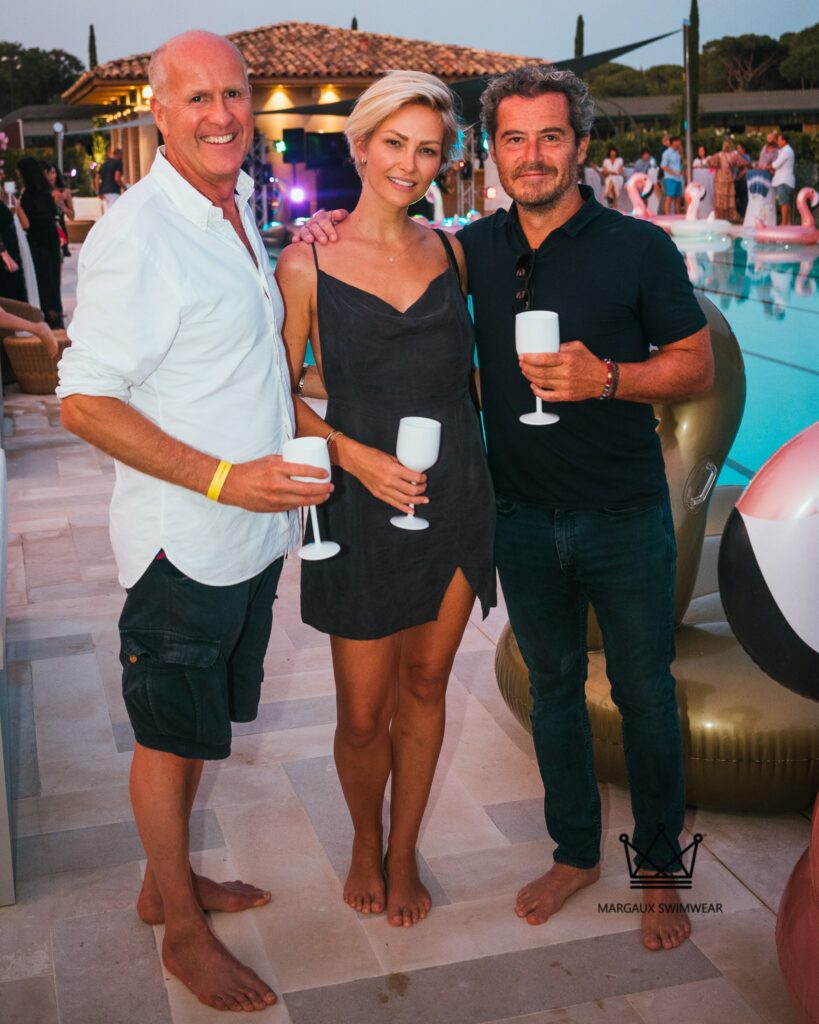
Observe, listen, adapt
Every place, every event has its own logic.
It's not about throwing ball in the head, but about listening, about feeling the dynamics. Where's the opening going? Where will the speech be? Which areas are likely to be overcrowded? Where will the counterlight come from? Which places will be more photogenic when the sun goes down?
And then we have to look at the teams at work. A good event photographer always works in interaction with humans. It relies on the benchmarks of the teams in place, on their habits, on their sense of timing. They are the ones who will tell you, without even knowing, where you will have to be and at what precise minute.
Welcome guests, yes — but with accuracy
When the first guests arrive, you must not hide behind the lens.
It is necessary to introduce yourself, clearly, in a punctual way: to say that you are here to capture the atmosphere, the moments of joy, and that you want to highlight them.
It's not an intrusion. It is a discreet but caring presence, which shows that you are a professional at their service. Show a first photo on your screen. Exchange a few words. Congratulate the outfit. And above all: wish a good evening.
This creates an atmosphere of trust. This will allow guests to recognize you later on the track, at the bar, at the lounge area, and to be photographed naturally, without forcing.
Never start photographing too soon
It's a common mistake: wanting to capture everything, right away.
But the first minutes of an evening are often floating. People come in, look for each other, adjust their posture. The photographer who guns at that time produces nothing but embarrassment.
It's best to keep an eye out, camera in hand but discreet. Let the evening go up slowly, observe who is comfortable, who is more reserved, who seems to be willing to play with the lens.
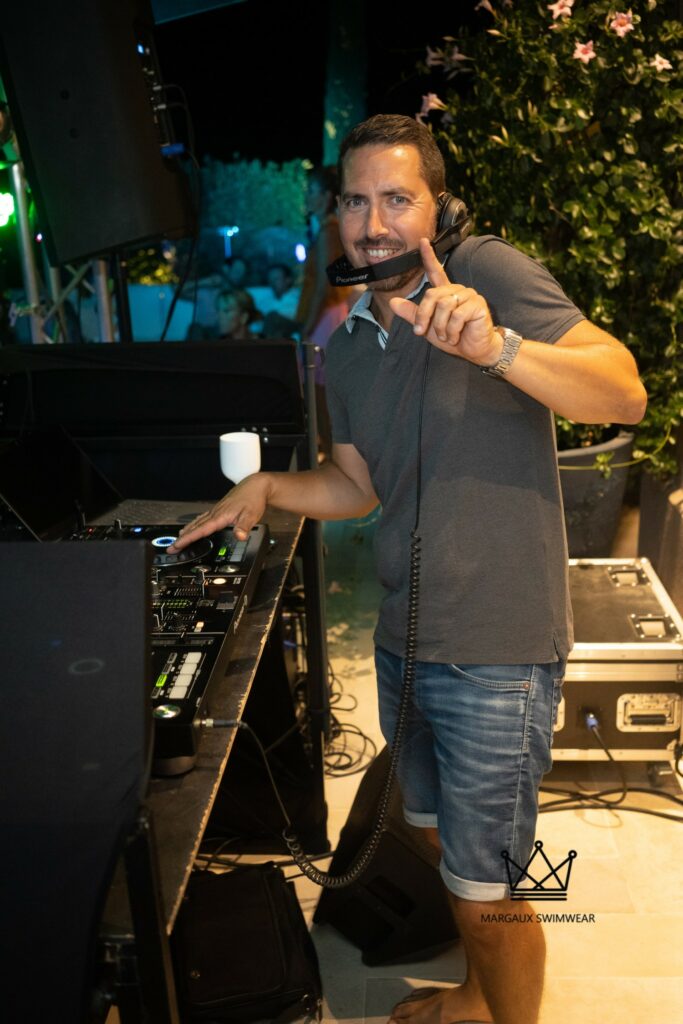
Client brief: what he really expects
Before the rush, take time for a short exchange with your sponsor. Even if his words are vague, what he wants is always very clear:
"Light, elegant, natural photos. Where people look happy, beautiful, comfortable."
It is up to you to translate this implicit brief into visual guidelines:
- Look for flattering light
- Integrate decor elements to contextualize without polluting the image
- Make sure each guest can recognize himself without judging himself
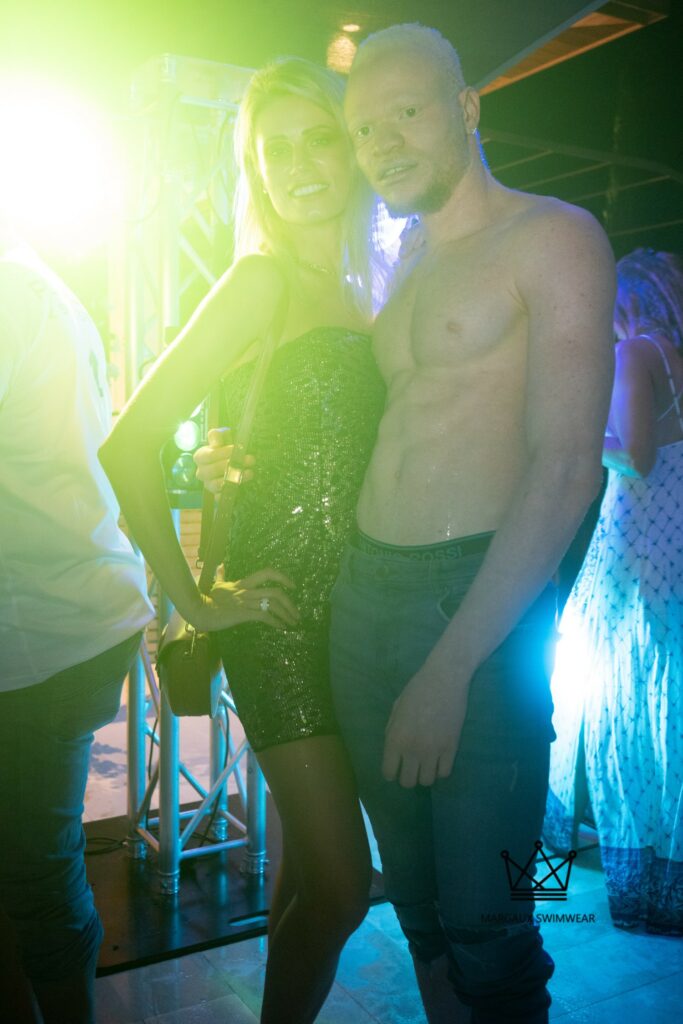
During the evening: sailing in the rhythm
An event night is not a frozen block. She has her breaths, her peaks, her surprises.
You have to be flexible. Catching moments, stealing bursts of laughter, asking for a look at the lens, then swipe.
A good advice: in any group or crowd photo, try to capture at least one person's gaze. It is this look that will connect the viewer to the image.
When the lights start flashing, the DJ sets up the sound, the bodies simmer: the real work begins.
Light conditions become unpredictable. The waste rate is rising. Then you have to rely on a well-measured complementary flash, various angles, wide framings to be reframed later.
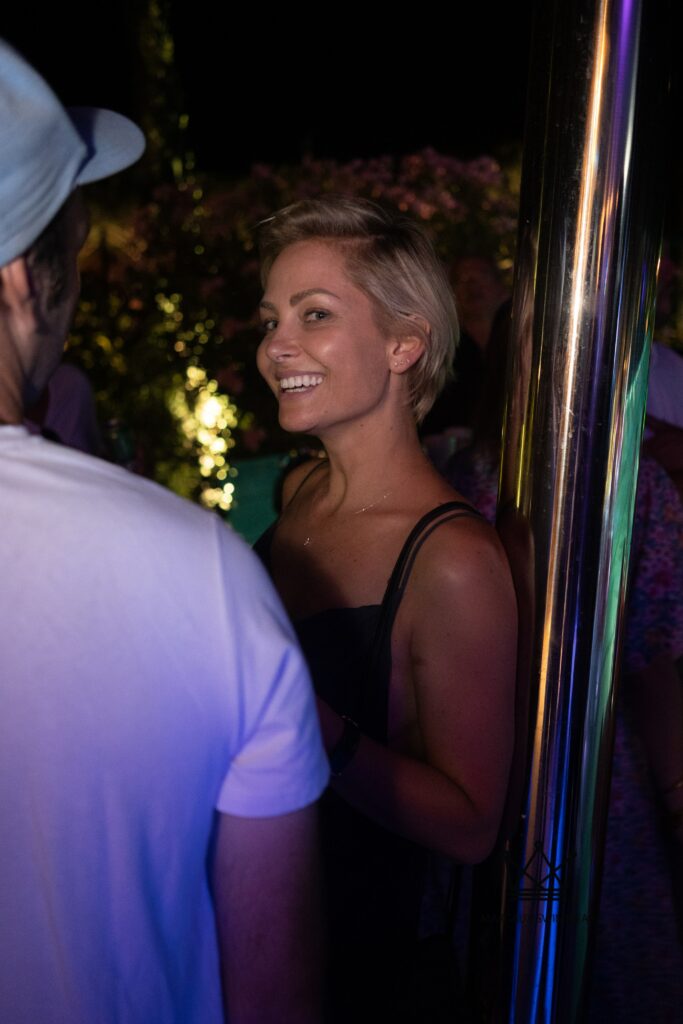
The evening network
If you've prepared the ground well, the teams will help you.
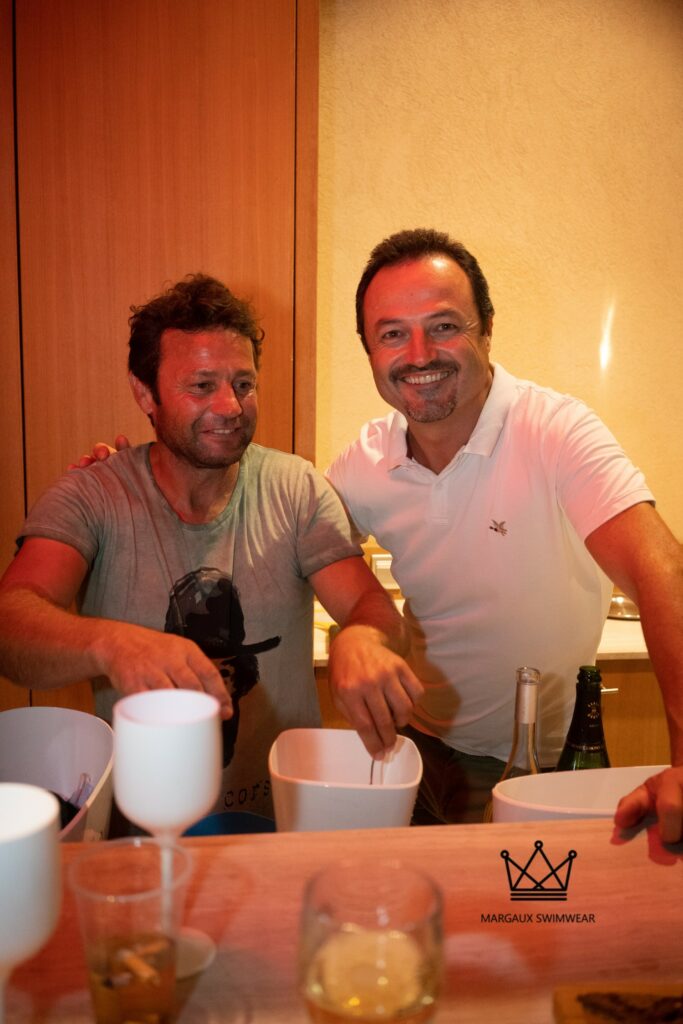
The bartender will call you when a spectacular cocktail is ready. Hostess will give you a signal when the surprise arrives. The DJ will agree to pose for a moment at the right time.
You have become a discreet but efficient drive.
And that's where you can capture the best scenes: those that you don't program, but that you anticipate thanks to the experience, attention, and confidence built from the first few minutes.
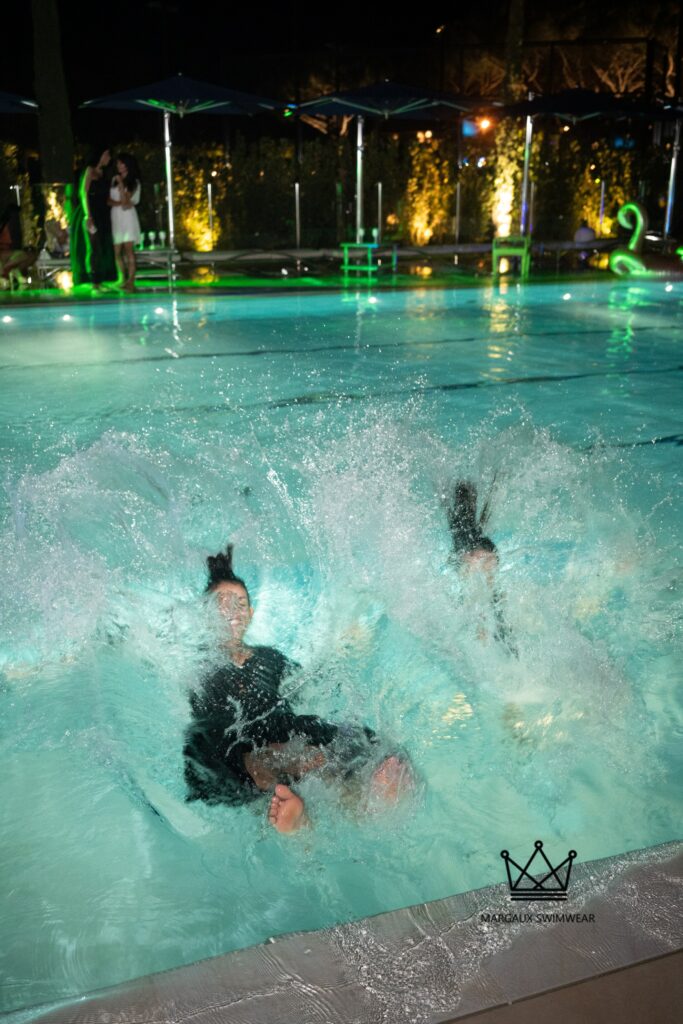
End of the evening: don't overdo it
At some point, you have to pick up.
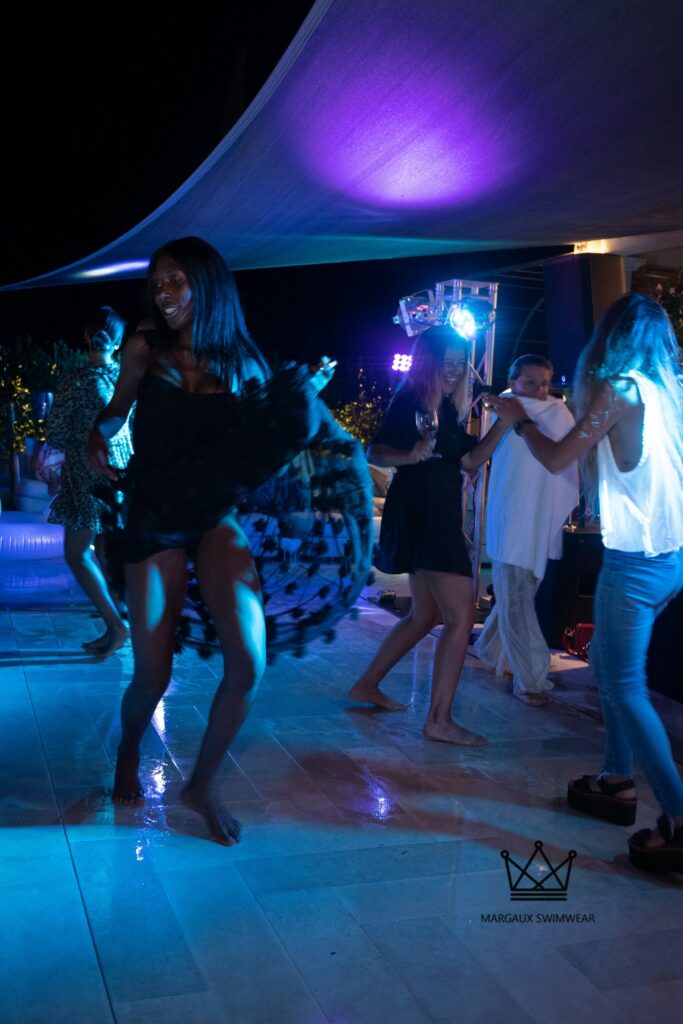
Take a few more ambiance pictures to suggest that the party continues, but understand that the evening now belongs to the guests.
And then what?
A few business cards in the pocket, always.
A clear discussion with the customer on delivery: selection, sorting, editing, access, dissemination.
And a principle I never lose sight of:
"The guests must be the most beautiful of the Côte d'Azur. At least for one night."