Midjourney can produce very convincing photolike images... But they're not photos.
In real estate, the difference is vital: an IA image used as a photo of an ad can quickly switch to illusion (bad visit, loss of confidence, legal risk).
On the other hand, for projections (renovation, home staging conceptual, atmosphere, storytelling, social networks), the AI can be a huge accelerator... provided you are transparent and keep a real photo base.
The winning strategy in 2026: hybrid workflow (real estate photographer + IA) = more impact, more coherence, less risk.
(The tone of this article is deliberately direct: because in real estate, an image can sell... or explode in the face.)
When you say "create real estate visuals with Midjourney," you often mix three things... which have different implications at all.
A photo announcement: it is supposed to represent the real state of the property (light, volumes, finishes, view, visual nuisances). That's what triggers the visit.
A projection: "This is what it might look like after work / development." Now we sell a potential, not a state.
A visual marketing: ambiance, lifestyle, brochure illustration, post Instagram — Not necessarily attached to a specific apartment.
Midjourney generates "Assets" from text (prompts) and parameters (format, stylization, raw mode, etc.).
The crucial point: Raw mode aims precisely at a more "literal" and often more realistic rendering. So yes, we can reach a deceptively credible level.
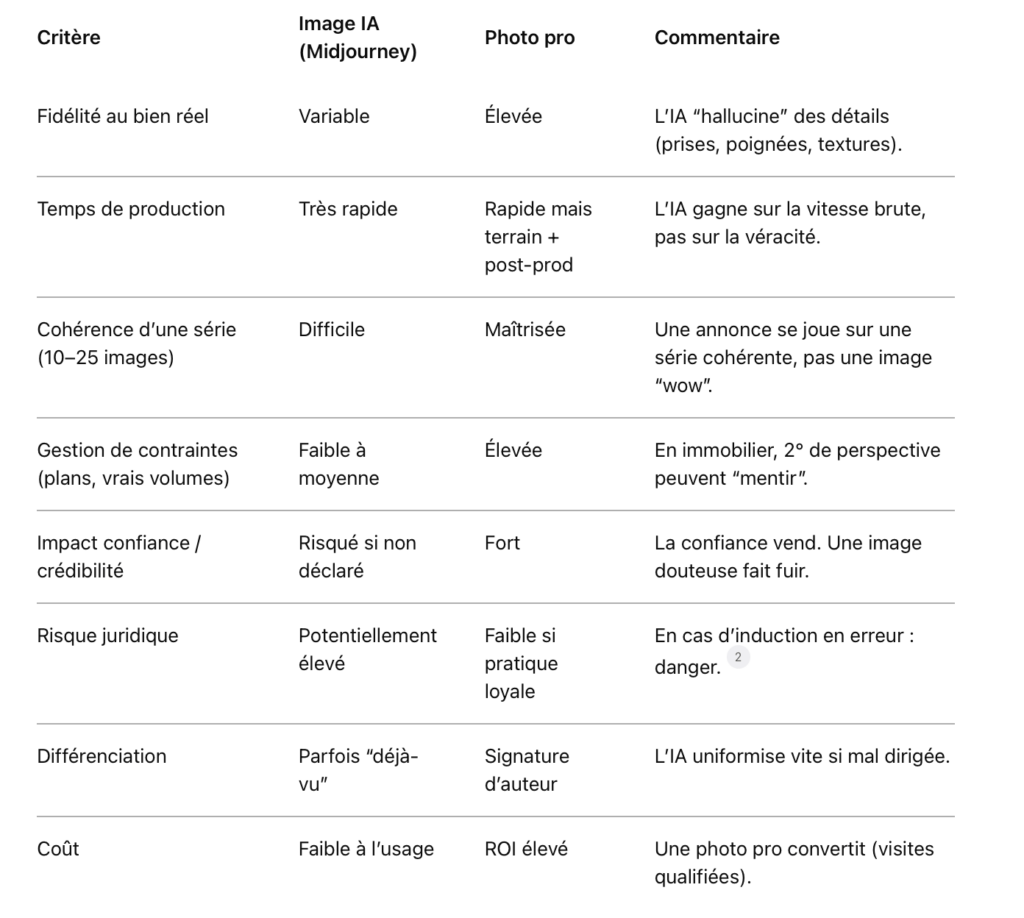
Comparison table: IA vs photo pro (the real match)
Real estate usage: when useful (and when it slips)
"Clean" cases exist. And they're even very powerful... If you remain clear about the promise.
What works (really)
Projection renovation / decoration
Do you have something to refresh? Midjourney can generate renovation atmospheres (kitchen, living room, bathroom) to help the buyer project. Provided you assume it's a projection, not a photo.
Moodboards to align seller, agency, architect
Before shooting, we set a direction: light, style, vibe. Midjourney allows to produce a moodboard in 20 minutes instead of 2 hours.
Social media campaigns / sponsored ads
Creating "lifestyle" visuals (without pretending to represent the exact good) can boost attention. It's marketing, not an inventory.
Mini-case concrete: the projection that describes visits
Scenario (classical): empty apartment, work to be planned, good location, but no mental projection on the buyer side.
Hybrid approach:
- photos pro "reality" (light, volumes, fair angles),
- 2–3 projections IA "after work" clearly announced as illustrations.
Expected result: fewer "tourist" visits, more visitors coming with a vision + budget works. And this, in real estate, is gold.
Mini-case concrete : the announcement "A pretty" that turns against you
Scenario (toxic): We replace reality (weary paint, damaged soil, dated kitchen) with images IA "premium".
Yes, you win clicks. Then you lose confidence in the visit. And the risk is to fall into the Deceptive commercial practice if the image misleads on essential characteristics.
Context: Real estate is already under surveillance for various deceptive practices; The DGCCRF reported that these practices constituted a significant part of the anomalies noted, including the announcements.
Concrete advantages: why AI can boost your real estate visuals
Midjourney is not evil. It's a tool. And well used, it brings very concrete benefits.
First, Iteration : you test 10 ambiences (Japandi, modernized Haussmannian, warm minimalism) with variations of light and materials. The parameters (ratio aspect, stylize, raw, reference style...) allow to frame and stabilize a rendering.
Then, pre-production You save time on the brief, you avoid the "I want something more premium but I don't know what". Client validates direction before shooting.
Finally, content : a real estate photographer no longer sells only photos. He sells a pack: photos, declinations network formats, ambience visuals, storytelling. And there, the AI can accelerate — without betraying good.
Small business point (to know): Midjourney indicates that you "own" the images you create, but with exceptions (e.g. rights if you upscale the image of another) and plan conditions if your business exceeds a certain number.
Technical, ethical and legal risks and limitations in France
I'll be cash: in real estate, the AI becomes dangerous as soon as she replace information instead of enriching it.
Technical limitations (and they are visible)
Even in photorealism, Midjourney can:
- invent details (textures, joints, switches),
- Breaking geometry (doors, windows, proportions),
- produce inconsistencies between images (the "change" piece from one visual to another).
And production side: sizes/resolutions depend on versions and upscalers (this is not native high fidelity capture).
Ethical limitations (the real subject: trust)
I repeat a sentence that I find very right, because it summarizes the substance of the problem:
« Eye detects AI... What's missing... The photographer's soul... If it's to do like everyone else: go. if it's to get out of the lot contact me »
That's exactly it. Yes, the educative eye. Yes, the public is becoming suspicious. And in real estate, mistrust kills conversion.
Legal framework: do not play with fire
Deceptive commercial practice The Consumer Code defines a deceptive practice based on false or misleading presentations, including the nature and essential characteristics.
The DGCCRF recalls possible sanctions and monitors the real estate sector, with shortcomings in advertisements, and clear references to the risks associated with misleading practice.
Rights to images In an advertisement, a photo is usually published with the permission of the seller, and precautions also exist regarding the architect (recommended written agreement, mention).
This is a simple reminder: real estate image is not "free" legally.
Transparency IA: the trend is clear
The EU is preparing a logic for marking/labelling IA content to reduce deception. The European Commission is working on a Code of Practice on Transparency Obligations (AI Act) for the marking and labelling of generated/modified content.
Advertising Bonus: Attention to People (deepfake)
If you create visuals with people (agents, "ideal family", etc.), advertising ethics strongly frame the representation of a person without permission, including via deepfake.
And more broadly, CNIL points out that faked content can undermine privacy and lead to liability.
How to recognize an AI image and avoid false steps
There's no magic test, but there's a method.
Visual signs (classic)
- illegible text (labels, books, logos),
- inconsistent reflections (glasses, mirrors),
- "too perfect" pattern repetitions,
- "Bizarre" perspective (large angle impossible),
- absurd details: electrical sockets, handles, plinths that disappear.
Signs of provenance (most serious)
More and more actors are pushing standards of provenance like Credential Content / C2PA, which aim to indicate the origin and history of a content.
It is not universal, but it is a direction: tomorrow, platforms and buyers will want to know "where the image comes from".

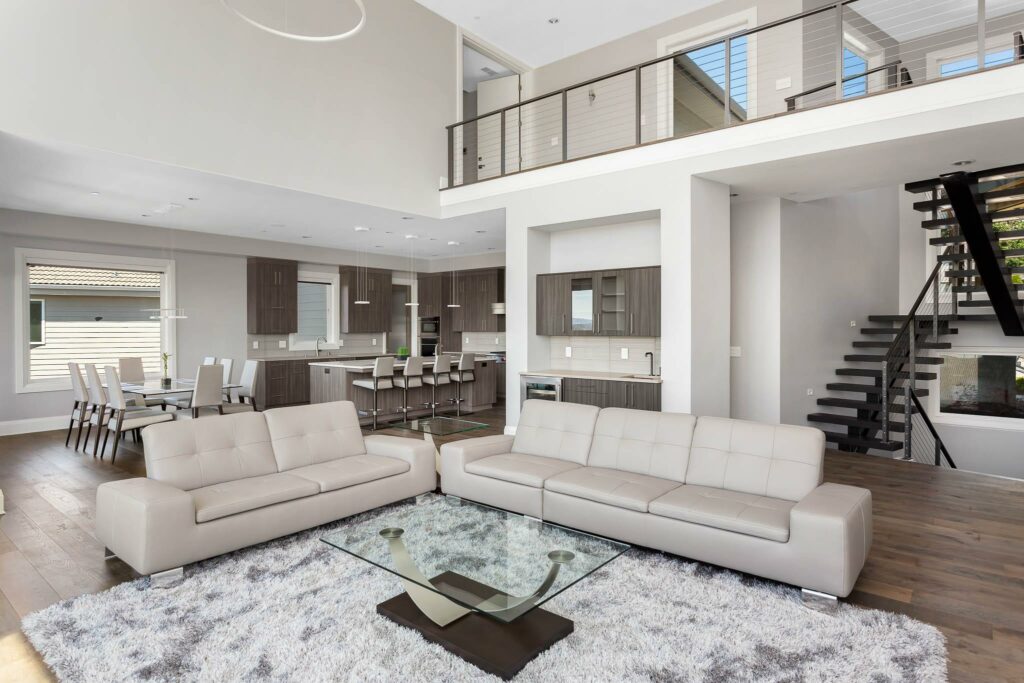
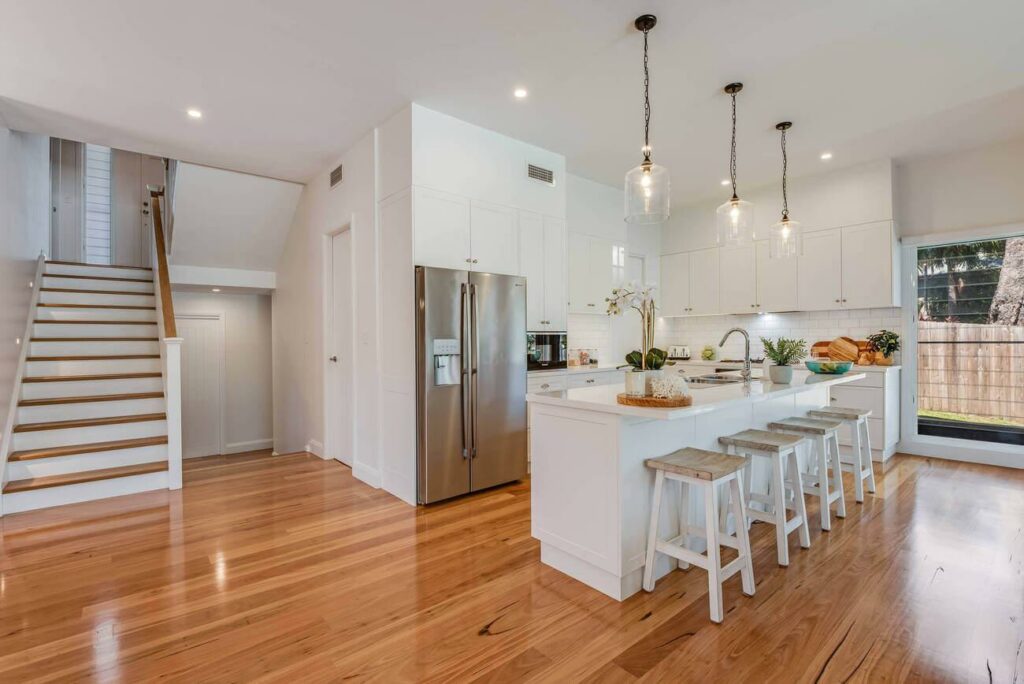
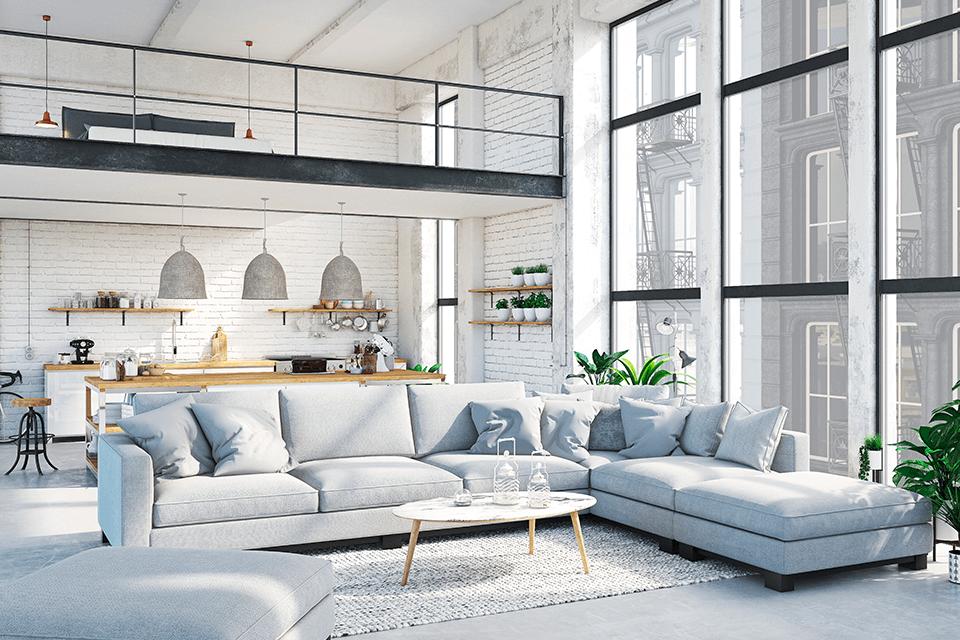
Pro reflex (for agencies and owners)
If the objective is to sell/rent: demand a base real photo (coherent series, logical angles, possibly source/EXIF files if you want to secure). IA can come after — But not as an alibi.
The right model is: IA to prepare, enrich, decline ; the real estate photographer for capture the real, reassure, convert.
Checklist: Should Midjourney be used for this property?
- Will this visual be presented as a photo of the current state ? → if yes, stop: real photo base.
- Can I write clearly? "projection / illustration / suggestion of layout" Without losing interest? → if no, it's a red flag.
- Does the AI visual change an essential feature (view, size, finishes, brightness, condition)? → Deceptive practical danger.
- Do I separate the IA (concept) visuals well from the (real) announcement photos?
- Does the seller/agency validate in writing the use of conceptual visuals?
- Do I have a plan for visits (clear explanation, no surprise)?
- Is my goal to qualifying (good) or just click (often bad)?
Conclusion.
Create real estate visuals with Midjourney, it's useful when you use it for what it can do: offer atmospheres, speed up pre-production, help with projection, enrich your marketing.
It's Dangerous when you use it for what it should not do: replace the reality of an ad with a fantasy reality. Between the Consumer Code and the surveillance of the sector, the bet is bad.
And I come back to the punchline (because it's true): "The eye detects AI... What's missing... The soul of the photographer...".
If it's to do like everyone else: go.
If it's to get out of the lot, contact me.